The Right Way Does Interior Design Shape the Technique We Experience and Communicate with Rooms?
Interior design is more than just the arrangement of furnishings, the option of shades, or the positioning of ornamental elements. It is an intricate art and science that forms the means we experience and engage with our surroundings. The settings in which we live, work, and mingle have a profound impact on our emotions, performance, and general well-being. Interior design acts as the bridge between aesthetic appeals and functionality, making sure that spaces are not just aesthetically appealing however additionally practical and fit to their intended objective. Every aspect, from lights and materials to spatial preparation and ergonomics, plays an important function in transforming an empty space right into an environment that improves human experience.
At its core, interior design is a representation of human requirements and aspirations. People do not simply seek sanctuary; they seek rooms that supply comfort, motivation, and a sense of belonging. Whether it is a home created to provide warmth and relaxation, a workplace meant to promote creativity and effectiveness, or a dining establishment crafted to boost eating experiences, interior design influences just how individuals communicate with their surroundings. A well-designed area seamlessly incorporates functionality and elegance, making certain that every element offers an objective while contributing to a total feeling of consistency.
Spatial planning is just one of the most fundamental elements of interior design. The way an area is set up straight influences activity, use, and the general experience of those within it. A well-planned interior does not just look great; it works efficiently. interior design solutions analyze a room prior to identifying how to optimize its layout. In a household setting, this could suggest organizing furnishings in a way that promotes an all-natural circulation in between areas while optimizing convenience and accessibility. In commercial spaces, such as workplaces or retailers, spatial preparation is essential in ensuring that customers and employees can browse the setting easily. Inadequately prepared rooms can cause pain, inadequacy, and even aggravation, while a thoughtfully designed area improves ease and use.
Color psychology plays a substantial role in interior design, influencing mood, assumption, and also actions. Various colors evoke different emotions, and indoor developers use this understanding to produce rooms that line up with the desired atmosphere. Soft and neutral tones are often picked for relaxation locations, such as bedrooms and living spaces, as they create a calming impact. In contrast, vibrant and dynamic colors can add power and excitement to social rooms, such as dining establishments or enjoyment areas. The interaction between colors and lighting further enhances the method an area really feels. All-natural and artificial lights can change the look of colors, making it vital for designers to consider how light connects with the products and shades within a space.
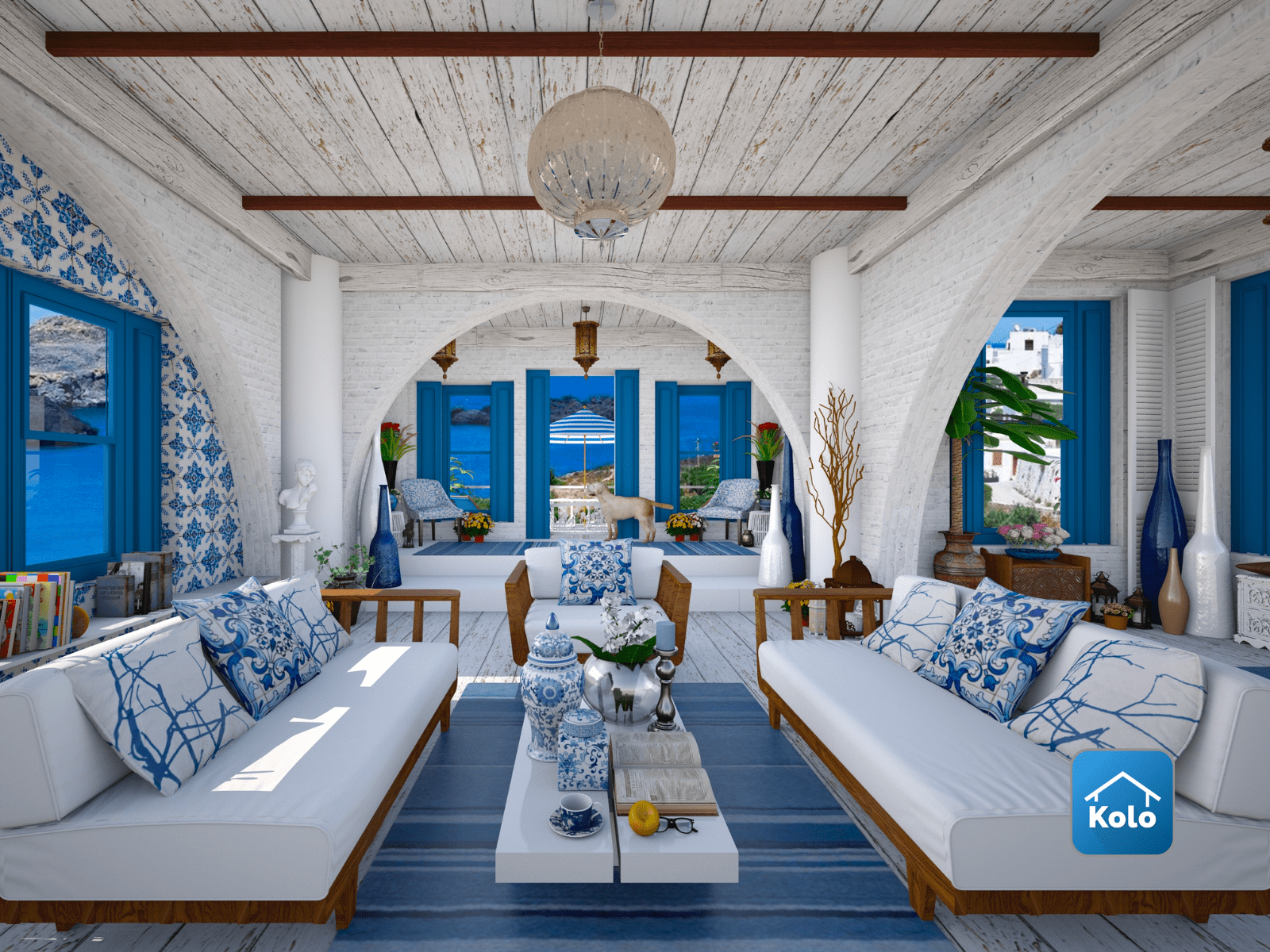 Lighting is an important element of interior design, as it influences not only visibility yet likewise the total setting of a room. Natural light is extremely valued, as it creates a feeling of visibility and boosts wellness. Inside developers usually integrate big windows, skylights, and glass doors to maximize all-natural light and produce a link in between indoor and outdoor spaces. Man-made lights is just as essential, with various sorts of lights serving details functions. Ambient lighting provides general lighting, job lights boosts exposure for specific tasks, and accent illumination highlights building features or attractive aspects. The critical use lighting can change a room, making it really feel warm, welcoming, and dynamic.
Product option is another important element of interior design, as it affects both the visual and sensible aspects of an area. Different materials contribute to the overall personality of a layout, whether it be the warmth of all-natural wood, the sophistication of marble, or the industrial allure of revealed block and metal. Beyond aesthetic appeals, products should likewise be chosen for their toughness, maintenance requirements, and ecological impact. Lasting layout has actually come to be an essential factor to consider in modern-day interior design, with developers going with eco-friendly products and energy-efficient remedies to decrease the environmental impact of their tasks. The combination of lasting techniques not only benefits the earth but likewise enhances the health and wellness and health of those who populate the room.
Furniture option and setup play a crucial role in specifying the performance and design of an interior space. Furniture is not merely attractive; it is an integral part of exactly how a space is utilized and experienced. Inside designers thoroughly think about elements such as scale, proportion, and ergonomics when picking furniture pieces. In a property setup, furnishings must supply comfort while enhancing the overall layout style. In industrial spaces, furnishings needs to fit the needs of employees and clients, making certain efficiency and ease of use. The setup of furnishings also impacts the circulation of activity within an area, making it necessary for designers to develop formats that promote simplicity of navigating and interaction.
The integration of modern technology has also come to be a defining feature of modern interior design. Smart home systems, automated lights, and energy-efficient devices are effortlessly incorporated into contemporary interiors to improve ease and sustainability. In commercial and public areas, technology-driven style services, such as interactive display screens and smart offices, add to a much more reliable and engaging environment. Inside designers must stay educated concerning improvements in modern technology to develop areas that are not only visually appealing but also geared up for contemporary living.
Cultural influences and historic context usually play a considerable role in shaping interior design. Every area has its own architectural and layout traditions, and several indoor designers attract ideas from these social aspects when creating rooms. Conventional layout styles, such as Scandinavian minimalism, Mediterranean warmth, or Japanese Zen aesthetics, mirror the cultural worths and way of livings of their corresponding areas. Contemporary interior design usually blends these impacts, developing diverse rooms that commemorate international aesthetic appeals while catering to contemporary sensibilities. The capability to incorporate cultural components right into a design makes sure that a space really feels authentic and purposeful to those that inhabit it.
Interior design also extends beyond appearances and functionality to influence emotional well-being. A properly designed area has the power to minimize anxiety, enhance emphasis, and promote a feeling of serenity. Elements such as all-natural light, indoor plants, and comfortable furnishings add to an environment that supports psychological and emotional health. The idea of biophilic layout, which stresses the connection between nature and indoor spaces, has acquired popularity in the last few years as people seek environments that advertise leisure and health and wellness. By including components such as plant, natural materials, and natural forms, interior designer s create rooms that cultivate a much deeper connection with nature and enhance general quality of life.
The duty of an interior developer goes beyond decor; it has to do with analytic and boosting the way people experience their environments. Whether it is creating a small apartment to make the most of room, producing a glamorous resort that offers a remarkable guest experience, or changing a workplace right into an efficient and inspiring work area, interior developers should balance creative thinking with practicality. Their job calls for a deep understanding of human habits, architectural concepts, and design patterns to produce areas that are not only stunning but also meaningful and functional.
The influence of interior design appears in every area we populate. From the convenience of our homes to the efficiency of our workplaces and the setting of our preferred restaurants, interior design forms our day-to-day experiences in methods we usually take for provided. It is a discipline that mixes creativity with science, creative thinking with reasoning, and custom with technology. As culture continues to evolve, so too will certainly the area of interior design, adjusting to brand-new technologies, ecological difficulties, and changing way of lives. The fundamental objective, nevertheless, will certainly stay the exact same: to create rooms that improve life, stimulate feelings, and offer a sense of belonging.